
Seawalls for bumblebees
Surveying rare bumblebee species across the under-recorded yet nationally important seawall habitats of the Hoo Peninsula, north Kent.
Project overview
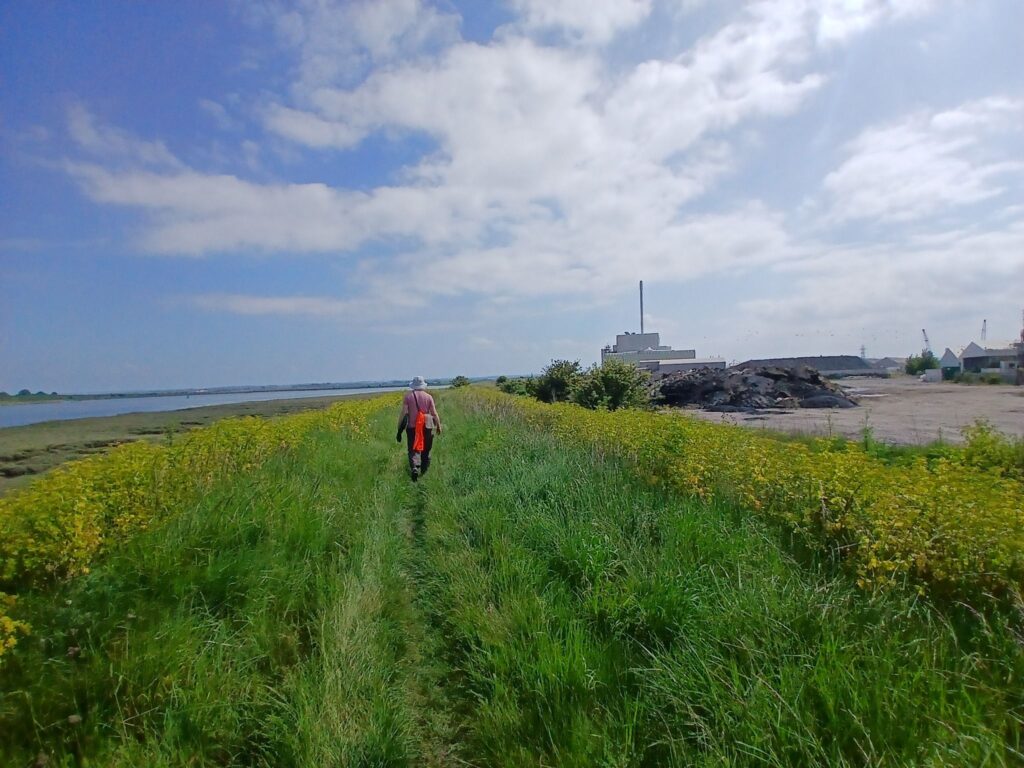
We are surveying 24km of seawall habitat across the Hoo Peninsula to record rare bumblebee species and other wildlife, creating bespoke habitat condition assessments for landowners and land managers to improve biodiversity management.
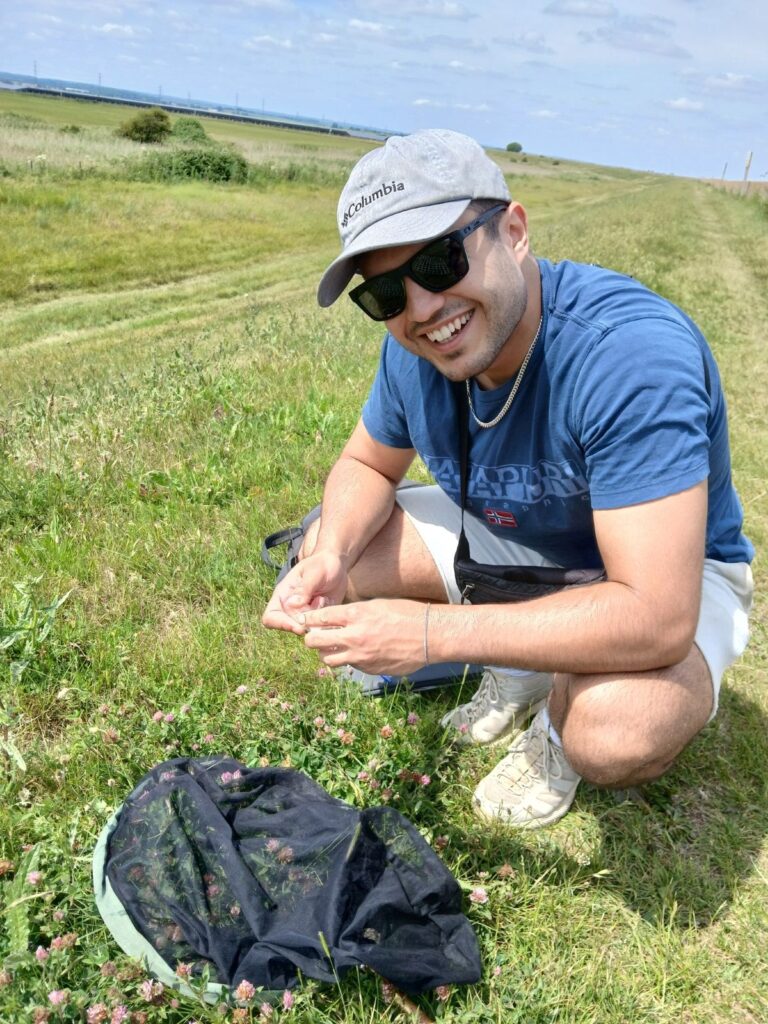
Five volunteers will be recruited and trained to carry out bumblebee and wider species surveys, helping establish a baseline for future managed realignment and habitat monitoring.
The project is identifying and celebrating well-managed seawall sections, while also highlighting areas requiring targeted conservation action.
Species target and location
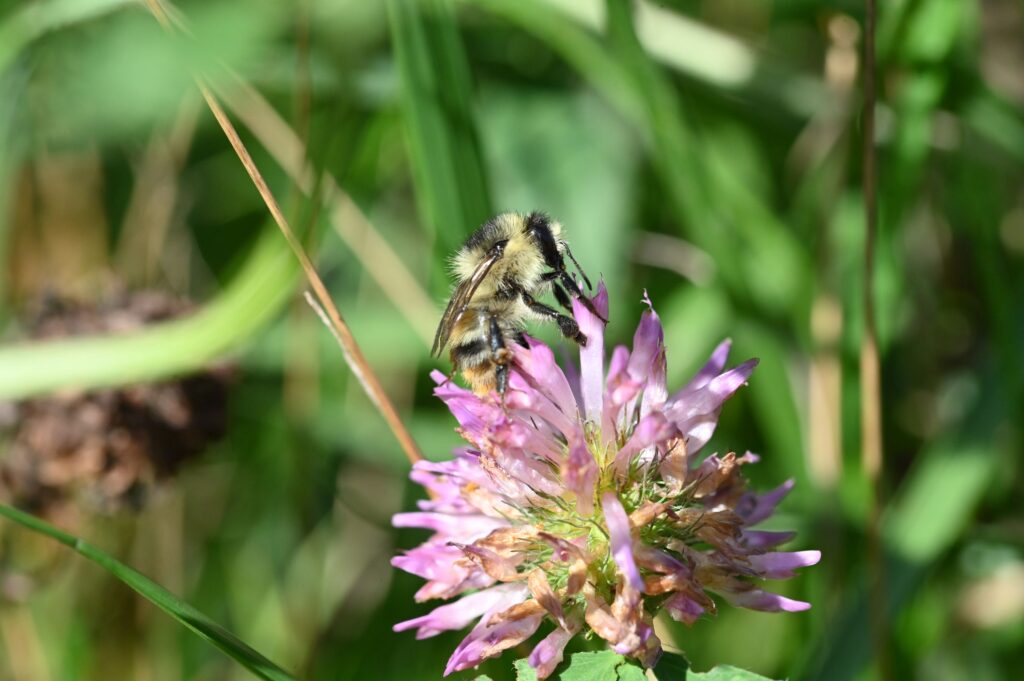
The Hoo Peninsula supports five rare bumblebee species: the Ruderal bumblebee (Bombus ruderatus), Brown-banded carder bumblebee (Bombus humilis), Moss carder bumblebee (Bombus muscorum), Red-shanked carder bumblebee (Bombus ruderarius), and the England’s rarest bumblebee, the Shrill carder bumblebee (Bombus sylvarum).
Despite their importance, these species remain under-recorded in north Kent. The north Kent coast is one of the UK’s most significant landscapes for rare bumblebees, with seawalls providing valuable habitat when managed appropriately.
Goals and objectives
The project is working on increasing monitoring of rare bumblebee populations within this important wildlife corridor, while also improving volunteer field skills across multiple species groups. It is also collecting data to inform habitat management advice for seawall landowners and developing a survey and management model that can be replicated across other coastal landscapes.
Activities and methods
Work includes desktop reviews of historical species records, QGIS mapping assessments, reviews of Environment Agency cutting regimes, and monthly bumblebee (and other species) surveys to ground-truth findings.
Survey crib sheets are being developed for bumblebees and key seawall species. Field surveys will assess seawall sections against a 10-point habitat quality criteria, categorising them as good, average, or poor for biodiversity.
Get involved!
If you’d like to support this work, there are a couple of simple ways to get involved.
• Join us for bumblebee and wildlife surveys
• Support the project through donations or local sponsorship
If you are interested in volunteering, please email: nikki.gammans@bumblebeeconservation.org
Funding
We would like to extend our thanks to the Port of London Authority, and Ernest Kleinwort Charitable Trust for the valuable funding towards this project