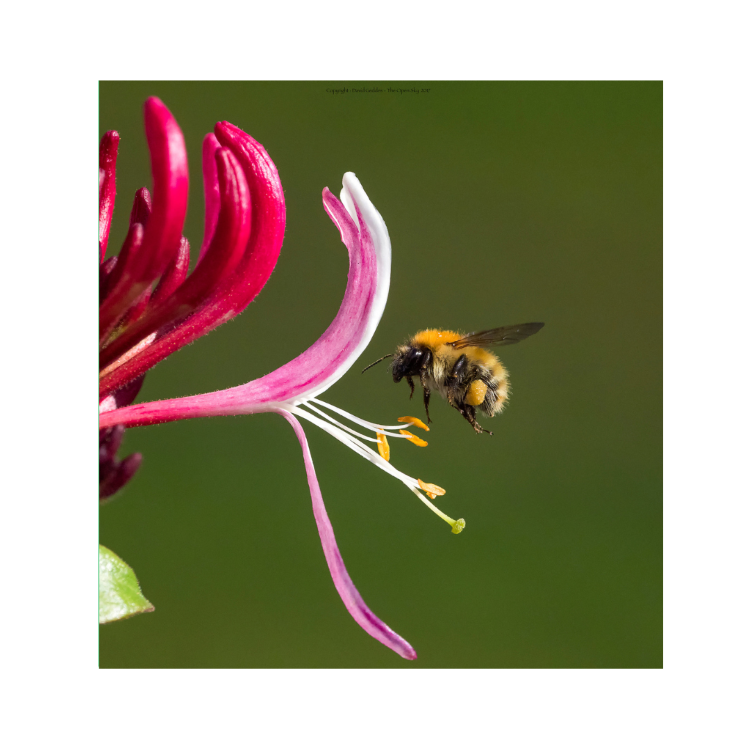
Moss Carder Bee Recovery in England
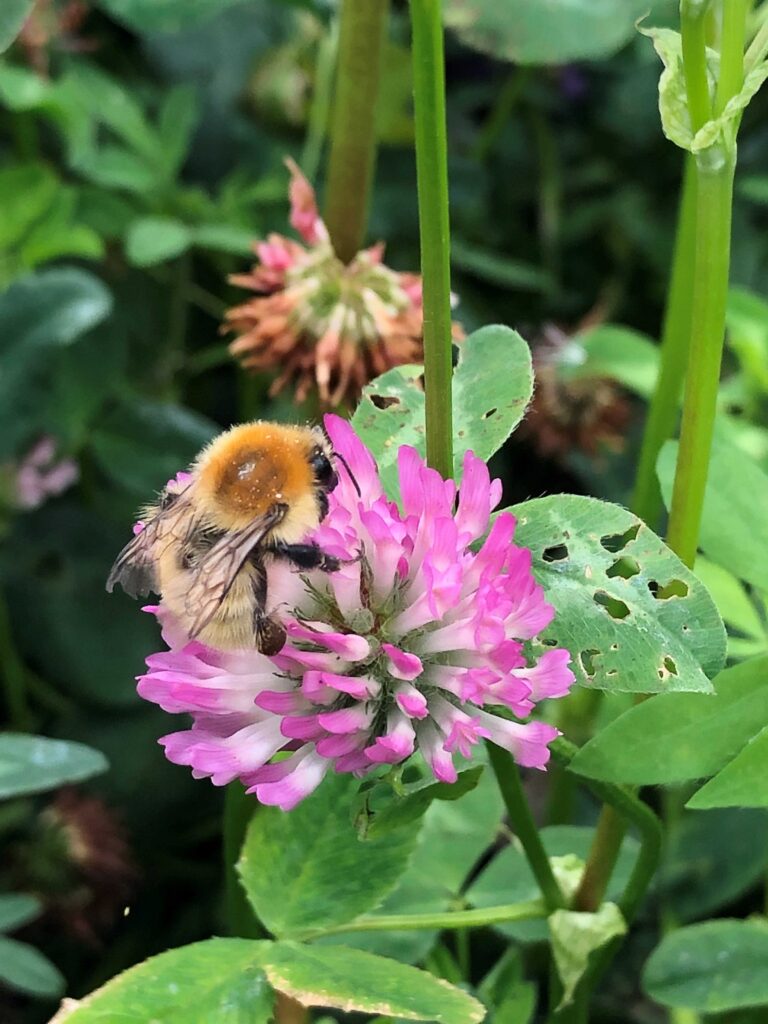
We aim to unlock how the Moss carder bumblebee (Bombus muscorum) survives in England, and what it needs to recover.
What are we doing?
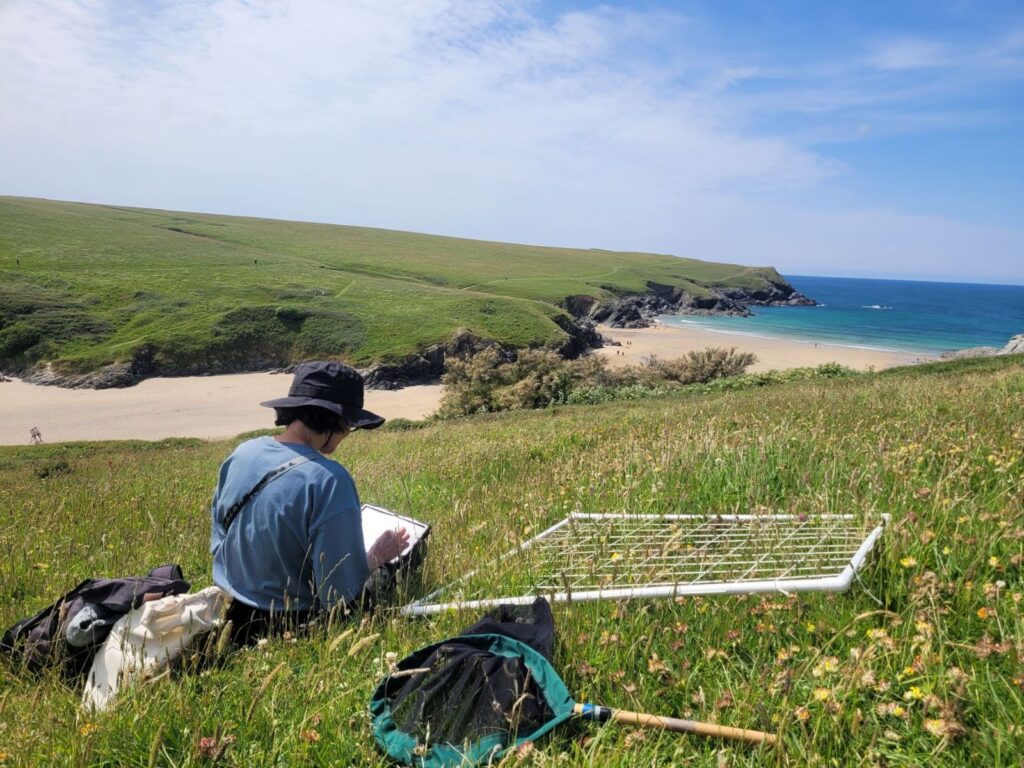
From 2026 to 2029, we are focusing our research on three very different landscapes where the Moss carder bumblebee still survives: Kent, Cornwall and the North Pennines.
Working in partnership with the University of Cambridge (UofC), combining AI-led modelling, better identification tools, habitat improvement trials and careful monitoring, this project will transform our understanding of where this species lives, what it needs, and how best to help it recover.
The findings will be used to inform practical, evidence-based conservation action that can be delivered at scale for one of England’s most threatened bumblebees.
Target species and location
The Moss carder bumblebee (Bombus muscorum) is one of England’s rarest and most threatened bumblebees. Once more widespread, it is now largely restricted to a handful of coastal and upland landscapes. This ambitious three-year partnership project is investigating why the species continues to survive in these remaining strongholds, identify the factors limiting its recovery, and test practical conservation actions that could help reverse its decline.
From July 2026 to March 2029, we are working across three contrasting landscapes where the species is still found: Kent’s coastal grasslands, grazing marshes and sea walls; Cornwall’s coastal grasslands, dunes and heathland; and the upland fringe landscape of the North Pennines.
Goals and objectives
The project aims to improve understanding of current and future strongholds for Moss carder bumblebee populations, identifying the ecological factors that allow this species to persist across different landscapes. It will also develop innovative tools to support more accurate field identification and monitoring. Alongside this, we are trialling habitat enhancement techniques to understand which actions are most effective for the species, and sharing our findings, knowledge and practical guidance with landowners, land managers, conservation organisations and decision-makers.
Activities and methods
The project will combine targeted field surveys, habitat trials and long-term monitoring across the three landscapes. Habitat trial plots will be planted with locally sourced wildflower plug plants, and in some cases wildflower seed, with planting tailored to the landscape and site. This will help us understand where the Moss carder bumblebee is found, which flowers and habitats they use, and which practical habitat improvements are most likely to support their recovery.
Our partners, the University of Cambridge, are using AI-Powered Species Distribution Modelling to develop high-resolution species distribution models for this bumblebee. These models will help identify suitable habitat, guide future survey effort and support the design of habitat trials, including the selection of matched control sites. They are also looking to develop innovative new field identification tools to help identify this species which is known to require expertise to reliably identify in the field.
Findings will be shared through maps, datasets, reports, and training to guide further conservation work.
Get involved!
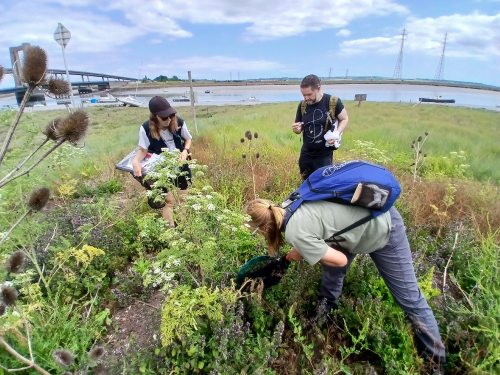
Whether you’re passionate about bumblebees or have a skill to share, there’s a place for you to get involved:
- Volunteer for BeeWalk or bumblebee surveys
- Help monitor habitat during and beyond project lifespan
- Join practical conservation days and work parties
- Hosting a trial plot
- Participate in land management training events
- Follow our social media and digital content
Donate or sponsor project activity to support habitat creation.
If you are interested in getting involved, or would like to know more about the project, please email Conservation Projects Manager, Dr Helen Temple.