
17 March 2026
According to figures released today, 2025 saw Britain’s bumblebees bounce-back from 2024’s worst year on record but, for many species, numbers are still below average despite ideal weather conditions.
The data, from the Bumblebee Conservation Trust’s ‘BeeWalk’ citizen science programme, shows that although numbers generally rebounded, five of the UK’s 24 bumblebee species declined even further from the previous year’s record lows.
The survey results show numbers for 15 bumblebee species are below the average. Even some of the most common species, the Red-tailed and White-tailed bumblebees, are showing concerning patterns of gradual long-term decline. These findings come despite the sunniest spring ever recorded and a hot summer, conditions normally favoured by bumblebee populations.
Last year, almost 1,000 trained volunteers took part in BeeWalk, Britain’s national bumblebee monitoring scheme, walking more than 1,100 routes, which were surveyed a record 7,249 times over the year.
Although 173,773 bumblebees were recorded, the average number of bumblebees seen per kilometre was still below the long-term average. The most commonly seen species were the Common carder, Buff-tailed, Red-tailed, White-tailed, and Early bumblebees.
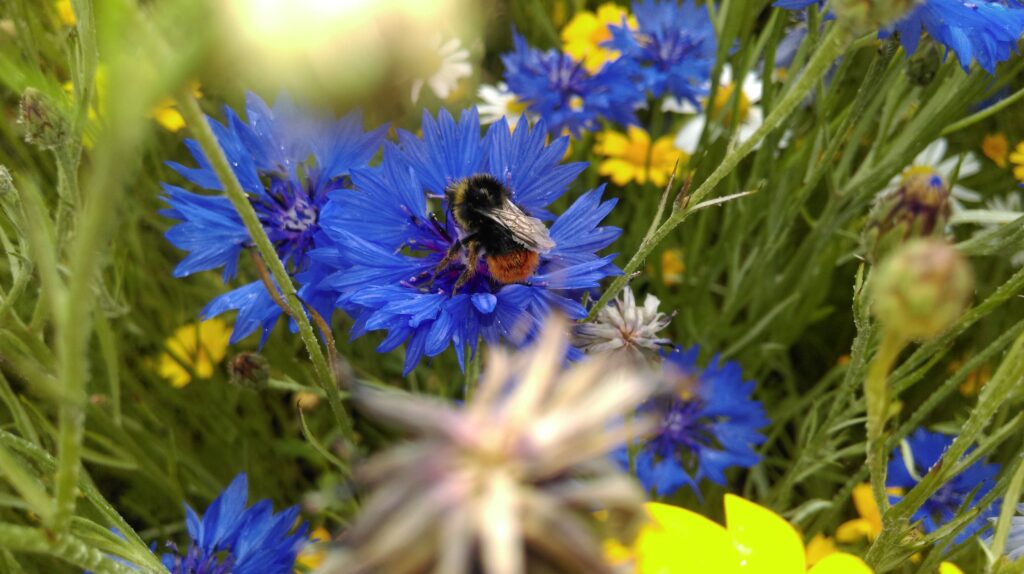
The results do show some glimmers of hope: two rare species showed some promising numbers. The Bilberry bumblebee had its best ever recorded year. The Shrill carder, England’s rarest bumblebee, also achieved a record survey count. In the pockets of Kent, Essex and South Wales where it clings to survival, the Shrill carder was the fourth most frequently recorded species, reflecting the value of the extensive conservation work taking place there.
The Trust is urging people to create more flower-rich habitat for our vital pollinators, and support nature-friendly management in both urban and rural areas.
Dr Richard Comont, Science Manager at the Bumblebee Conservation Trust, said: “Bumblebees showed some signs of recovery in 2025, but the fact that even the sunniest spring on record couldn’t return numbers to normal is a stark warning. Our countryside and towns are increasingly unfriendly to bumblebees, and good weather can only help them so far.
“We need to take urgent action to support our bumblebee populations, including restoring flower-rich habitats and reducing pesticide use, in order to improve the environment in which they, and we, live.”
Read the full BeeWalk report.
To help monitor the Britain’s bumblebee populations, so we can better understand the areas where conservation work can make a difference, you can become a BeeWalker. To find out more, please visit BeeWalk.