
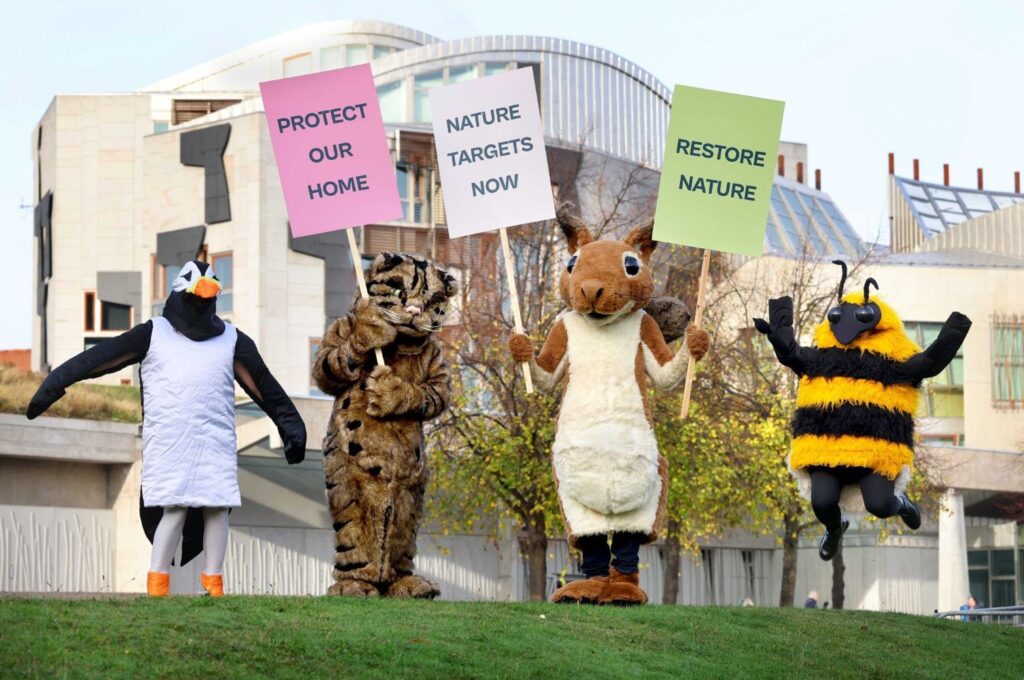
Credit: Colin Hattersley
Scotland and Wales introduce new laws to restore nature
26 February 2026
Scotland and Wales have both brought in important new laws that aim to protect wildlife and help nature recover. These changes could be a big step forward for the recovery of bumblebees, other pollinators, and the many species that urgently need better protection. Together, they bring Scotland and Wales closer to the approach already used in England, with new measures to hold governments to account for nature’s recovery.
Scotland: A new law to help nature bounce back
Scotland has passed a new Natural Environment Bill that requires the government to set clear, legally binding targets for improving nature. These targets will help track whether wildlife and habitats are recovering. A new independent body will also check that public authorities are doing what they should to protect and restore nature.
This progress is a major achievement for the Scotland Loves Nature campaign, coordinated by Scottish Environment Link and supported by the Bumblebee Conservation Trust. Thank you to everyone who contacted their MSPs as part of the campaign, your voices really helped.
All three of our Nature Champion MSPs, who each champion a rare bumblebee in the Scottish Parliament, voted for the new law. We are especially grateful to Mark Ruskell, our Moss Carder Bee Champion, for his significant efforts to improve the legislation as it moved through Parliament.
Darryl Cox, Bumblebee Conservation Trust, Senior Science and Policy Officer said: “Scotland faces significant nature loss, with almost half of monitored species declining since the 1970s. These new targets are an important first step, but they must be backed by meaningful action. We will continue to work to ensure that bumblebees are included so their recovery becomes a national priority.”
Wales: Stronger environmental protections now in law
Wales has also passed a major new law: the Environment (Principles, Governance and Biodiversity Targets) (Wales) Bill. This law introduces legally binding biodiversity targets and creates a new independent watchdog, the Office of Environmental Governance Wales, to make sure public bodies follow environmental rules.
Wales Environment Link (WEL) has played a crucial role in shaping the Bill. As WEL members, we are proud to have supported this collective effort. We would also like to recognise Delyth Jewell, MS, our Shrill Carder Bee Champion, whose work in the Senedd (Welsh Parliament) helped strengthen the Bill’s biodiversity commitments.
Darryl Cox added: “Just like Scotland, Wales faces serious challenges for nature. Around one in five species is at risk of extinction. These new laws give Wales stronger tools to turn things around. We now want to make sure bumblebee species are included in the targets and that well-funded actions are taken to secure their future.”
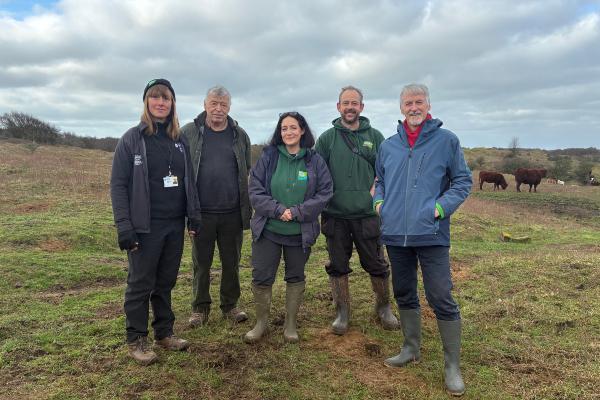
Ahead of the Environment Bill announcement, Deputy First Minister Huw Irranca‑Davies visited our Natur am Byth conservation team at Kenfig National Nature Reserve, South Wales, to hear how we’re protecting Wales’ rarest bumblebee, the Shrill carder bumblebee.
How you can help
These new laws give Scotland and Wales a better foundation for restoring nature, but they will only work if they lead to real action that’s properly funded.
This year there will be elections in Scotland and Wales, as well as some local elections in England, so it’s a vital time to speak up for bumblebees. Wherever you live in the UK, you can help by contacting your local election candidates or elected representatives and telling them why bumblebees matter. Even a short message can make a real difference.
Our Write to Your Decision-Makers action has helpful instructions and template emails you can use.
For quick actions you can take to speak up for bumblebees, head to our campaigning page.
And if you want to help support our work to get bumblebees thriving again, please join the Bumblebee Conservation Trust as a member.